Team Roles – Recognize the Differences and Make Better Use of Them

Some come up with the idea. Some get others on board. Some ask the critical question. And some make sure it actually gets done.

A team isn’t just made up of people with different areas of expertise and roles. We also contribute in different ways to how the team collaborates, tackles tasks, and achieves results.

PeopleTools’ team roles provide a language for doing just that.

A team role describes the way you typically approach the team’s work: What comes naturally to you? What do you contribute in particular? And what roles do you often take on when the team needs to develop ideas, make decisions, collaborate, or get something done?

The team role is therefore different from one’s functional role. Two project managers may hold the same position and have the same professional responsibilities—but contribute very differently to their teams.

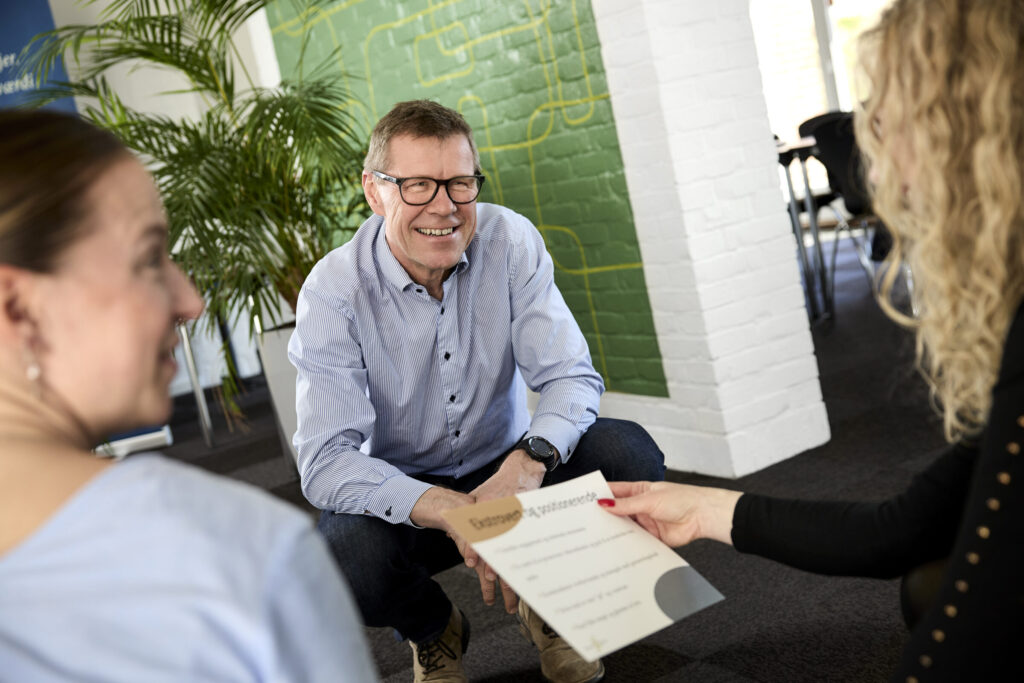
That’s when things get interesting—when the characters meet

There is no single “right” way to be a good team member. Research suggests that diversity in knowledge, experience, and approaches to tasks can enhance a team’s creativity, innovation, and problem-solving abilities—especially when the tasks are complex.

But diversity is not automatically a strength. Different perspectives can also create more friction and place greater demands on collaboration. The benefits arise when the team is able to leverage those differences constructively.

This is where team roles become particularly useful, because they provide a common language for the various contributions within the team. A team needs people who see new opportunities, people who build relationships and foster engagement, people who provide expertise and challenge others, and people who create structure and drive progress.

The goal is not for all eight roles to be equally represented, but to make team members’ natural contributions more visible, to gain a better understanding of which contributions are less prominent—and what the task requires.

This shifts the conversation from “Who’s doing it right?” to “What do the task and the team need?”

You are not just one role

Team roles aren’t eight boxes that people have to be placed into.

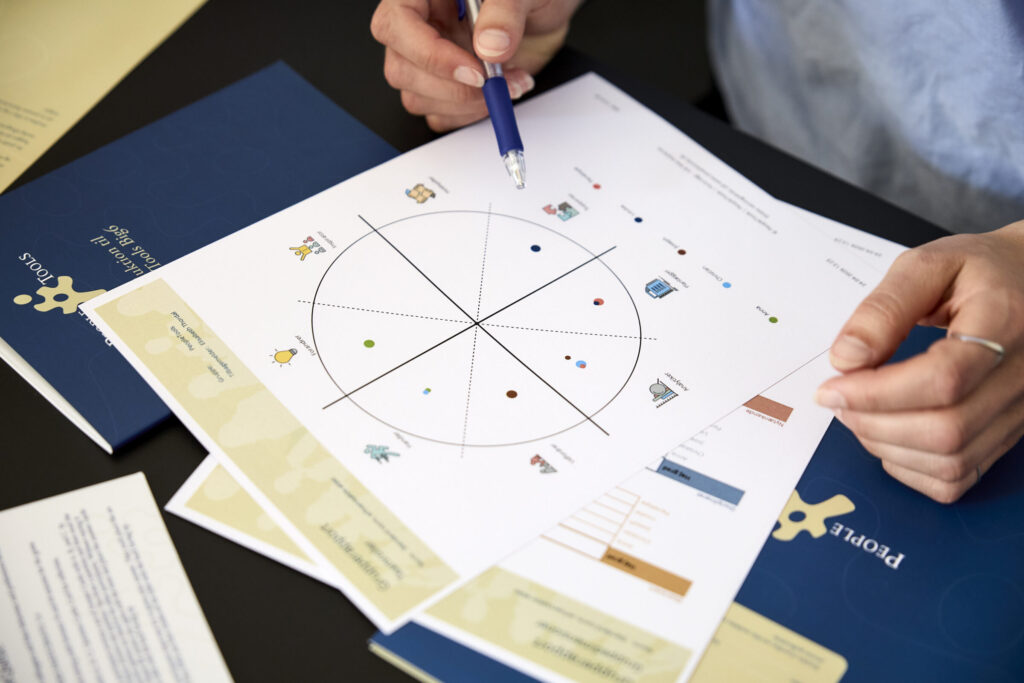
PeopleTools shows each individual’s preferences across all eight roles. Most people will therefore be able to recognize themselves in multiple roles, while some contributions come more naturally than others. This provides a more nuanced view of each individual and, at the same time, makes it rewarding to examine the composition of the entire team.

For example, what happens if the team has:

  • Many people come up with ideas, but fewer create structure?
  • Strong analytical skills, but less inclined to act quickly?
  • Many who naturally seek consensus, but few who challenge it?
  • Plenty of drive, but less focus on engagement and relationships?

These are really valuable insights to work with as a team.

Use PeopleTools Team Roles when you want to…

  • Team Formation and New Team Compositions
  • Division of Tasks and Responsibilities
  • Recruitment in which a new hire will be working alongside an existing team
  • Development of employee, leadership, and project teams

“It’s a great tool that facilitates very concrete discussions about behavior and potential for growth. In my experience, the symbols convey meaning well, and the behavior-focused descriptions and questions prompt valuable reflections. I highly recommend it.”

Heidi Søndergård Mathiesen

HR Consultant, Viborg Municipality

Your Benefits with PeopleTools Team Roles

  • A Common Language for Strengths, Weaknesses, and Challenges
  • Awareness of and understanding of one’s own and others’ roles and contributions
  • Assign the right tasks to the right people
  • An understanding of how the team’s overall profile affects its task performance and collaboration
  • Strengthen internal and external communication regarding task completion, collaboration, roles, and expectations
  • Improve team performance and optimize underperforming teams
  • A tool for building teams based on behavioral contributions, developing existing teams, or adding additional members

Different phases call for different contributions

A team doesn’t need the same thing all the time, either.

In some phases, there is a particular need to explore possibilities and think outside the box, while in others, relationships and direction must be established. When it comes time to implement something and see it through to completion, contributions from others typically become crucial.

Team roles can therefore also be used to explore: Which roles do we need more of right now?

You may want to read the PeopleTools article “Tuckman and Team Roles: How the Roles Work in the Five Stages”

Would you like to work with PeopleTools' team roles?

New to PeopleTools

In this certification course, you’ll learn to understand, interpret, and apply PeopleTools’ personality profiles—both when working with individuals and with teams. This course is designed for those working in HR, management, or consulting who want to facilitate team processes on a solid foundation.

Read here to find out how to become certified.

Already certified

In the specialist module on team workshops, we move from profiles to processes. Here, you’ll explore how profiles, team roles, group reports, and specific exercises can be used to create engaging and developmental team workshops that truly transform a team.

Sign up for the PeopleTools specialist module on training for teams and leadership groups here.